A Community-Driven Approach to Feeding Neighbors
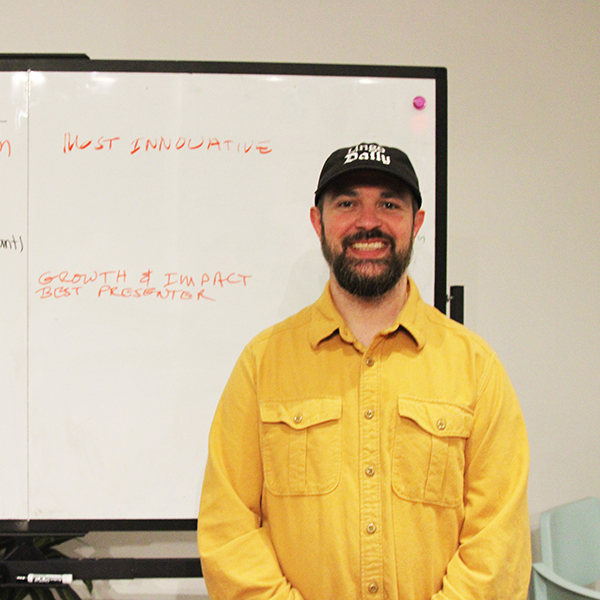
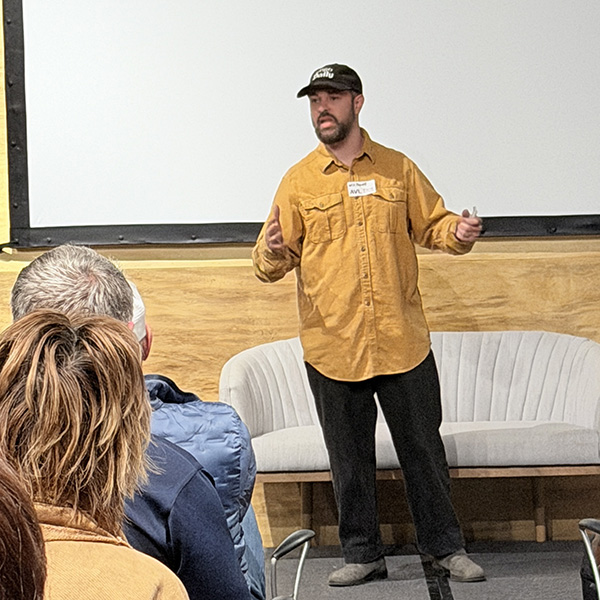
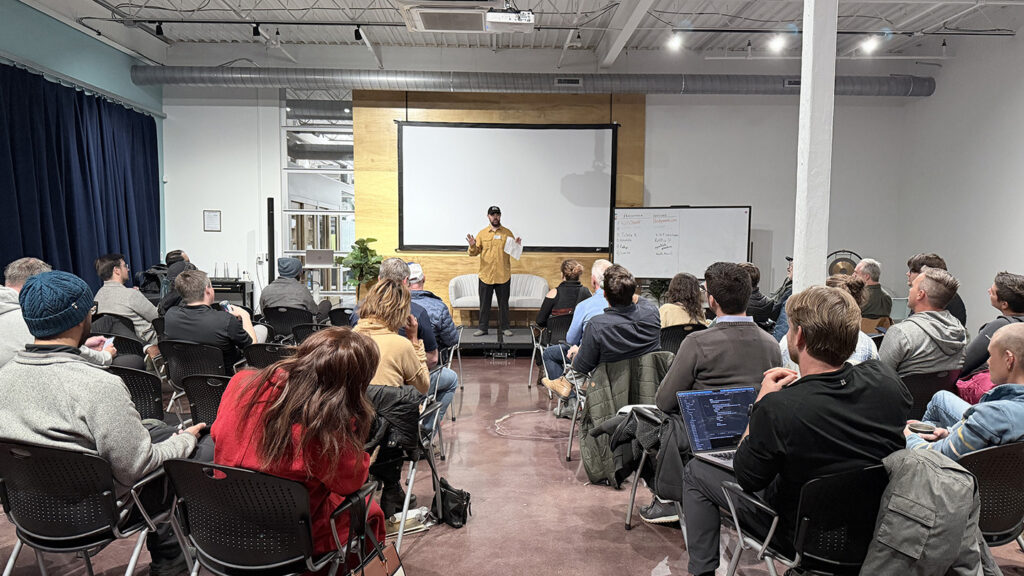
In a packed room last fall, full of pitches and rapid-fire feedback, the energy in the space was real. When William Oseroff stepped up at a Hatch Pitch Party in November, he wasn’t just sharing a new idea. He was naming a pattern he had seen repeat itself again and again: communities show up in moments of crisis, restaurants step in to help, and the systems meant to support that generosity often fall short.
That pitch became Bridge Meals.
Will’s entrepreneurial path has never followed a straight line. From early ventures like Deliver It Dallas to building and growing Blue Ridge Hemp, which recently marked its tenth year, his work has consistently lived at the intersection of technology, real-world needs, and rapidly changing environments. Operating in the cannabis industry taught him how to adapt quickly, navigate complex regulations, and think creatively about sustainability. With legislation now threatening to shut down cannabis businesses across North Carolina by 2026, that adaptability has become more important than ever.
Alongside Blue Ridge Hemp, Will has continued to build technology products that respond to how people actually live. The Mary App, a cannabis fitness tracker, helps users better understand consumption and wellness. Lingo Daily takes a different approach to language learning, using real news content and comprehensible input to make daily practice more effective and engaging. These projects reflect Will’s background as a web developer and systems thinker, someone who sees problems and instinctively starts mapping solutions.
The idea for Bridge Meals came from lived experience.
During the Asheville storm and again during the government shutdown, Will watched restaurants become a critical lifeline. Kitchens stayed open. Food trucks mobilized. Meals appeared where they were needed most. Restaurants, he realized, are already incredibly good at feeding people. What they lacked was an efficient, sustainable system to support that work without burning out owners or relying solely on short-term donations.
Bridge Meals was built to become that system.
At its core, Bridge Meals is a platform that connects donors, restaurants, and individuals in need of meals. Donations flow through a nonprofit partner, Grassroots Aid Partnership, which handles compliance and payments to restaurants. This structure allows restaurants to be paid for their work, donors to contribute with confidence, and communities to access meals with dignity. It also creates a framework that can scale beyond one-off crises.
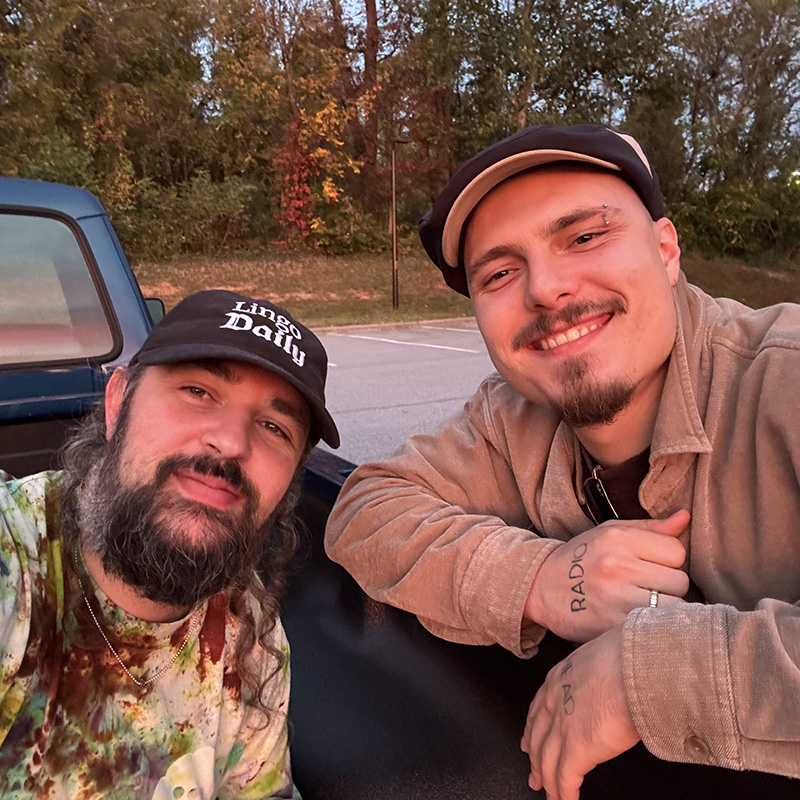
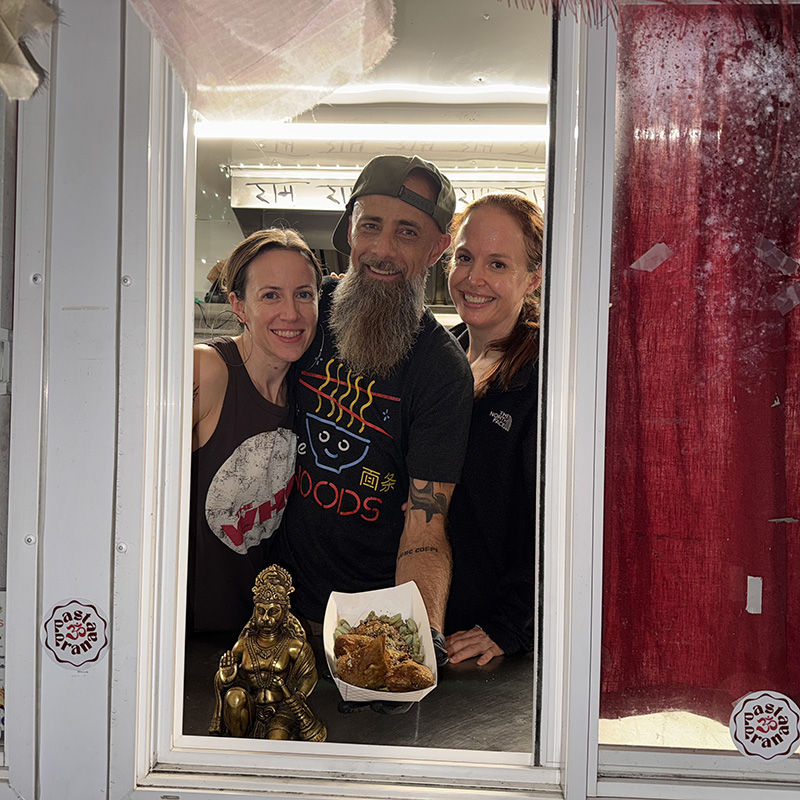
Building the platform has been anything but simple. Will, alongside his longtime collaborator and co-founder Nick Aralin, has drawn on years of experience with marketplace technology, legal frameworks, and partnership development to bring Bridge Meals to life. Nick has been a key partner in Will’s work for the past two years, including their shared ventures The Mary App and Lingo Daily, and that collaboration carries through here as well. The site is now live in Asheville, with early restaurant partners already onboard, including Rosetta’s, which has long operated an Everybody Eats program, and Pasta & Prana, a food truck participating both as a meal provider and a food donor.
Bridge Meals is also testing creative ways to sustain itself financially. In addition to tips collected through donations, the platform is exploring corporate sponsorships, advertising, and future services for restaurants, municipalities, and organizations that want to support food access in a more structured way.
For Will, Bridge Meals is not a pivot away from entrepreneurship. It is a continuation of it.
It’s about applying the lessons learned from volatile industries, fast-moving technology, and community resilience to build something that lasts. Something that honors the generosity that already exists while creating the infrastructure to support it long term.
His Pitch Party moment in November was not the end of the story. It was a starting point.
At Hatch, these are the stories we love to tell. Founders who see a need, test an idea, listen to their community, and keep building. Bridge Meals is still early, still evolving, and still asking important questions. But it is already doing what great ideas do best, turning connection into action.
To learn more about Bridge Meals or explore ways to get involved, visit bridgemeals.com.